
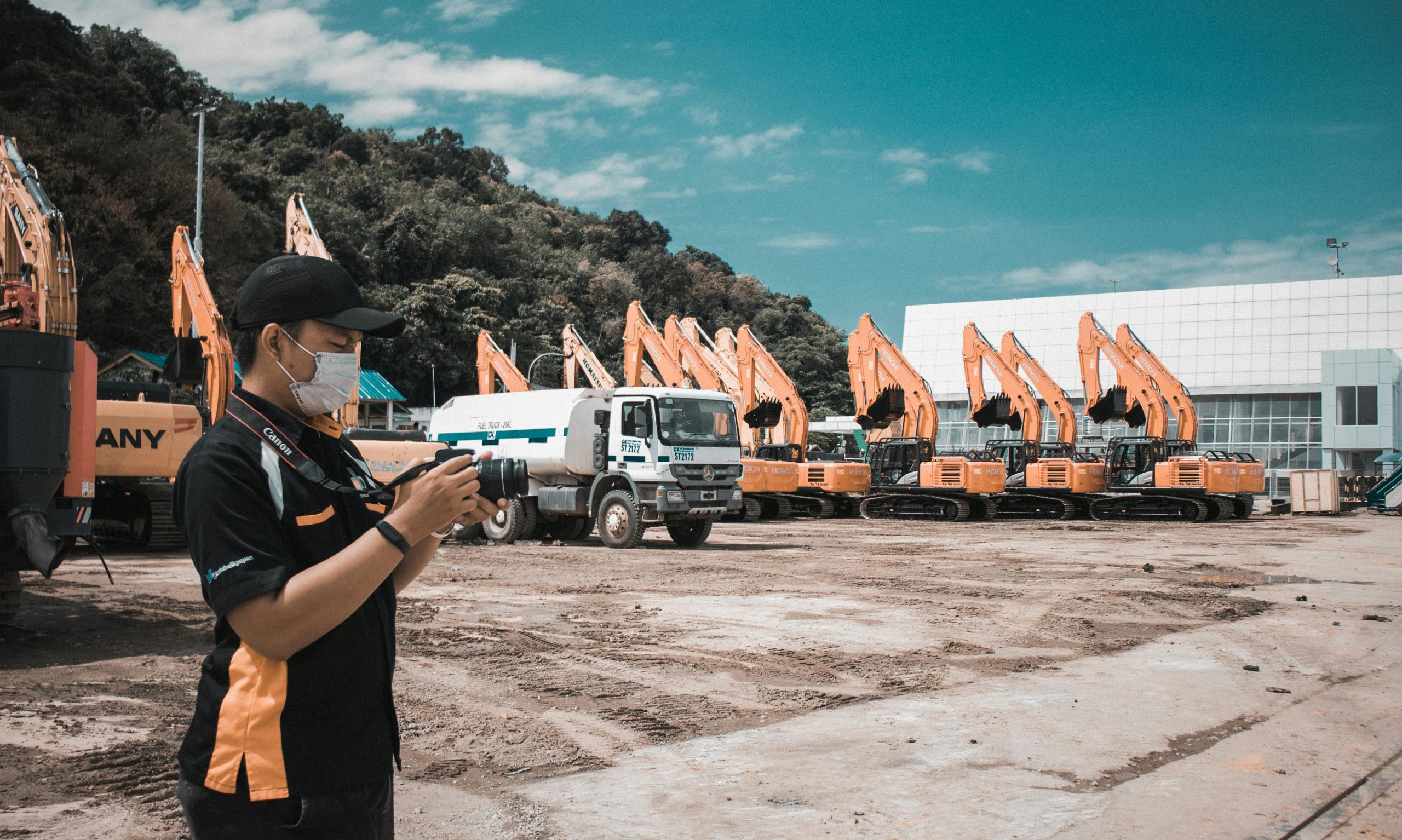
Australia’s industrial economy depends heavily on reliable equipment. From mining operations in Western Australia to manufacturing facilities in Victoria and infrastructure projects across the country, heavy machinery plays a central role. Because many machines operate in remote locations, replacing them can be extremely costly. As a result, refurbishment and remanufacturing are essential parts of the Australian engineering landscape. Workshops across the country rebuild: • mining equipment• hydraulic systems• industrial machinery• electric motors• transport equipment These operations require careful coordination between engineering teams, spare parts inventory, and cost tracking systems. OmniflowFLUX provides Australian refurbishment companies with a complete workflow management platform designed specifically for equipment rebuild operations. By tracking every stage of the refurbishment process, the platform helps companies improve efficiency, reduce costs, and gain valuable equipment lifecycle insights. The New Standard for the Circular Economy: Why OmniflowFLUX is Leading the Remanufacturing Revolution For decades, businesses sitting at the intersection of engineering, refurbishment, and “own-brand” production have been forced to settle for software that doesn’t quite fit. You’ve likely tried the clunky, over-engineered ERPs built for massive automotive assembly lines, or perhaps you’ve struggled with basic inventory tools that can’t handle the unpredictability of a teardown. The reality of hybrid manufacturing is unique. You aren’t just following a linear recipe; you are diagnosing, reengineering, and restoring value to industrial assets. Whether you are overhauling Ground Support Equipment (GSE), massive cranes, or complex factory machinery, your workflow is a living, breathing thing. Enter OmniflowFLUX. We didn’t build this for the “standard” manufacturer. We built it specifically for the workshop heroes—the companies that understand that remanufacturing operations software needs to be as adaptable as the engineers using it. The Problem with “One Size Fits All” Manufacturing Software Most traditional platforms assume you are starting with a clean slate and brand-new parts every time. They fail to account for the equipment refurbishment process, where the first step is often a dirty, complex strip-down. In a typical workshop, you need to track the core equipment’s history, the man-hours spent on reengineering, and the specific spare parts used. When you mix this with your own-brand production—the hybrid manufacturing business model—most software simply breaks. OmniflowFLUX bridges that gap. It provides a single, unified source of truth for both your refurbishment jobs and your new-build production lines. Core Features Designed for the Workshop Floor We’ve spent a lot of time in grease-stained environments talking to shop floor managers. That experience is baked into every pixel of our interface. Here is how we help you dominate the market: Total Visibility: From Margins to Spare Parts One of the biggest leaks in a refurbishment business is “untracked time.” When an engineer spends three extra hours fixing a seized bolt, and that time isn’t captured, your margin disappears. OmniflowFLUX acts as your financial watchdog. It automates sales and margin projections by pulling real-time data from the workshop. You’ll know exactly what a project cost you—including overheads, labor, and materials—the moment the equipment rolls out the door. For those managing spare parts inventory, our system keeps pace with the chaos. It manages the dual-stream of parts used for both manufacturing new units and refurbishing old ones, ensuring you never stall a project because of a missing bearing or seal. Why the Industry is Making the Switch The shift toward sustainable manufacturing software is happening fast. Companies like AdaptGSE are proving that you can be both highly profitable and environmentally responsible. By choosing a dedicated remanufacturing management software, you aren’t just buying a tool; you are upgrading your entire business logic. OmniflowFLUX is affordable for the startup workshop but scales seamlessly for large-scale industrial enterprises. It is the only platform that speaks the language of the reengineer. Summary of Benefits Frequently Asked Questions How does this differ from a standard Manufacturing ERP? Standard ERPs are rigid. They expect a “bill of materials” that never changes. OmniflowFLUX is built for the “discovery” phase of refurbishment, allowing for flexible workflows and unexpected parts requirements. Can I manage my own-brand manufacturing alongside refurbishment? Yes. That is exactly what we mean by hybrid manufacturing software. You can run production lines for new products and custom rebuild projects in the same dashboard. Is it difficult to set up? Not at all. We pride ourselves on simple setup. Most workshops are up and running in a fraction of the time it takes to implement traditional industrial software. Does it help with R&D tax credits? Absolutely. By tagging specific reengineering tasks as “experimental” or “problem-solving,” the system gathers the necessary data for your accountants to claim R&D credits effortlessly. Ready to bring total clarity to your workshop? Stop fighting with software that wasn’t built for you. See why we are the #1 choice for the modern remanufacturer.

OmniflowFLUX: Workflow Software for Scandinavia’s Sustainable Engineering Sector
Across Scandinavia, engineering companies have long embraced sustainability and efficiency. In Sweden, Norway, Denmark, and Finland, remanufacturing plays a key role in extending the life of industrial equipment while reducing environmental impact. Rather than replacing machines prematurely, many companies choose to refurbish and upgrade them. This approach supports both economic efficiency and environmental responsibility. However, managing refurbishment operations requires sophisticated workflow coordination. Engineering teams must track inspections, component replacements, machining work, and testing procedures. OmniflowFLUX provides Scandinavian companies with remanufacturing workflow software designed to support sustainable engineering practices. The platform allows organisations to track refurbishment processes, monitor manufacturing costs, and collect sustainability data linked to equipment lifecycle management. OmniflowFLUX: The Workflow Software the Remanufacturing Industry Has Been Waiting For I’ve spent the better part of twenty years walking through engineering workshops across the United States and Europe. The smell of cutting oil.The sound of impact guns.Cranes lifting half-disassembled machinery.Engineers gathered around a bench trying to work out why a component failed. And almost everywhere I went, I saw the same thing. Clipboards.Whiteboards.Excel spreadsheets.And a whole lot of guesswork. Not because the people running these businesses weren’t capable. Quite the opposite. They were some of the sharpest engineers and operators you could meet. The problem was the software. Most systems out there were built for mass manufacturing — factories churning out thousands of identical products every day. But remanufacturing, refurbishment, and equipment rebuild operations are completely different. Every job is unique. Every machine arrives in a different condition. Every rebuild tells its own story. And that’s exactly why OmniflowFLUX exists. The Problem With Traditional Manufacturing Software Most remanufacturing companies try to force their operations into one of three tools: ERP systemsGeneric manufacturing softwareOr spreadsheets None of them truly fit. ERP systems are often: • expensive• complicated• slow to implement• designed for large enterprise factories Spreadsheets are flexible, but they come with their own problems: • data scattered everywhere• no workflow visibility• impossible to scale• no real-time reporting The result? Managers constantly chasing information. Engineers updating multiple systems. Inventory discrepancies. Margins that are difficult to calculate. And very little insight into the true cost of refurbishment projects. Built Specifically for the Remanufacturing Industry OmniflowFLUX is different. It was designed from the ground up for companies that: • refurbish equipment• re-engineer machinery• rebuild industrial components• operate engineering workshops• manufacture small batches of equipment In other words, businesses operating inside the remanufacturing industry. Whether you’re rebuilding cranes, refurbishing factory equipment, repairing hydraulic systems, or manufacturing specialist machinery, the workflow challenges are remarkably similar. OmniflowFLUX understands those workflows. Refurbishment Workflow Software That Mirrors the Real World In a remanufacturing operation, work rarely follows a straight line. A piece of equipment arrives. It gets inspected. Parts are stripped. Components are cleaned. Engineering reviews the findings. Replacement parts are ordered. Machining work may be required. Then reassembly begins. Finally testing and certification. Every one of these stages involves people, materials, labour, and time. OmniflowFLUX allows you to track the entire refurbishment workflow in one place. Each job flows through configurable stages that match how your workshop actually operates. No forcing your process into someone else’s template. Instead, the software adapts to you. Real Cost Visibility for Every Rebuild One of the biggest frustrations in refurbishment operations is understanding the true cost of a project. A rebuild might look profitable on paper. But once labour hours, replacement components, machining work, and subcontract services are factored in, the margin can shrink quickly. OmniflowFLUX changes that. The platform tracks: • labour costs• materials and spare parts• subcontract services• engineering hours• overhead allocation This creates clear manufacturing cost tracking and refurbishment cost tracking for every job. You can see exactly where money is being made — and where it isn’t. Equipment Lifecycle Intelligence Every machine tells a story. How many times it has been refurbished.Which components fail most often.Which rebuild processes take the longest. OmniflowFLUX captures this information automatically. Over time, the system builds a powerful dataset that provides equipment lifecycle intelligence. That means your team can: • identify recurring failure patterns• improve rebuild processes• forecast maintenance needs• refine engineering designs This kind of insight is invaluable for businesses operating in the circular economy manufacturing space. Inventory That Actually Works for Engineering Workshops Many remanufacturing companies struggle with inventory. Parts are spread across shelves, bins, containers, and warehouses. Some are new. Some are refurbished. Some are awaiting inspection. OmniflowFLUX provides inventory management for remanufacturing operations. The system tracks: • spare parts• refurbished components• raw materials• job-specific inventory This creates a complete manufacturing inventory workflow software environment designed specifically for engineering workshops. Hybrid Manufacturing Made Simple Many companies today operate in a hybrid manufacturing model. They might refurbish existing equipment while also manufacturing their own branded machines. Traditional ERP systems struggle with this. OmniflowFLUX handles both seamlessly. The platform supports: • refurbishment workflows• manufacturing workflows• engineering projects• R&D tracking This makes it an ideal hybrid manufacturing software solution. Track R&D Costs for Tax Credits Engineering companies often carry out significant research and development work during refurbishment projects. Design improvements.Component upgrades.Engineering trials. These activities may qualify for R&D tax credits. OmniflowFLUX includes R&D cost tracking for engineering teams, allowing businesses to accurately record development activity linked to projects. Sustainability Reporting for the Circular Economy Remanufacturing is one of the most powerful forms of sustainable manufacturing. By extending the life of equipment, companies reduce waste, conserve materials, and lower carbon emissions. OmniflowFLUX helps organisations capture this impact through remanufacturing sustainability reporting software. The platform can track: • materials reused• components refurbished• lifecycle extensions• sustainability data For companies operating within the circular economy manufacturing model, this information is increasingly valuable. Designed for Real Workshops Many manufacturing software platforms are designed for office environments. OmniflowFLUX was designed for workshops. The interface is: • simple• clear• fast• easy to learn Technicians, engineers, and managers can all interact with the system without needing hours of training. Simple Setup. Immediate Value. One of the biggest fears companies have when adopting software is disruption. ERP implementations can take months

OmniflowFLUX: Supporting the Netherlands’ Circular Manufacturing Economy
The Netherlands has become one of Europe’s leaders in the circular economy. Dutch engineering companies are at the forefront of extending the life of industrial equipment through refurbishment, remanufacturing, and reengineering. Across the country, specialist workshops rebuild machinery used in logistics, manufacturing, ports, and energy infrastructure. This work demands exceptional operational coordination. Each refurbishment project requires careful management of engineering workflows, spare parts inventory, cost tracking, and testing procedures. OmniflowFLUX provides a digital platform designed specifically for these operations. It enables Dutch remanufacturing companies to manage industrial refurbishment workflows, track project costs, and generate valuable equipment lifecycle data that supports long-term sustainability initiatives. For companies operating within the circular manufacturing economy, this level of operational insight is increasingly essential. Why Traditional ERP Systems Often Fail Remanufacturing Companies Introduction Enterprise Resource Planning systems were originally designed for large manufacturing organisations producing standardised products at scale. These systems work well when production follows predictable patterns. However, the remanufacturing industry operates very differently. Each refurbishment project introduces unknown variables, making rigid ERP systems difficult to implement effectively. How ERP Systems Are Designed Traditional manufacturing ERP systems assume: • predictable production cycles • repeatable manufacturing processes • consistent bill of materials In contrast, remanufacturing projects rarely follow identical workflows. Each machine arrives with a different set of problems that must be diagnosed and resolved. Operational Problems ERP Systems Create When refurbishment companies attempt to implement ERP software, several challenges often emerge. • workflows become difficult to adapt • engineers spend excessive time entering data • project tracking becomes overly complicated • implementation costs escalate quickly For small and mid-sized engineering companies, ERP systems can become more of a burden than a benefit. The Case for Specialised Workflow Software Instead of forcing remanufacturing operations into rigid ERP systems, many companies are adopting workflow software designed specifically for refurbishment operations. These platforms allow organisations to configure workflows that match real workshop processes. Summary While ERP systems remain useful for large-scale manufacturing environments, remanufacturing companies often benefit from more specialised solutions. Advantages of dedicated workflow software include: • flexible workflow configuration • simplified job tracking • improved operational visibility • lower implementation complexity Workshop Management Software for Equipment Refurbishment Companies Introduction Engineering workshops are the operational heart of the remanufacturing industry. These environments involve multiple teams working simultaneously on complex rebuild projects. Without effective coordination, even experienced engineering teams can struggle to maintain efficiency. This is why many companies are adopting workshop management software for equipment refurbishment operations. The Complexity of Workshop Operations Typical refurbishment workshops must coordinate several activities at once. • inspection and diagnostics • disassembly operations • component repair • machining work • engineering modifications • reassembly and testing Each of these processes must be tracked carefully to ensure projects remain on schedule. Key Features of Workshop Management Software Modern software platforms provide tools that support workshop operations. Key capabilities include: • job tracking dashboards • engineering workflow management • inventory tracking for spare parts • labour hour monitoring • project cost tracking These tools give workshop managers greater control over daily operations. Benefits for Engineering Teams When workshop management software is implemented effectively, organisations often experience several improvements. • improved communication between teams • faster completion of refurbishment projects • greater visibility into project status • improved cost control Summary Workshop management software helps engineering companies coordinate complex refurbishment operations. Key benefits include: • structured workflow management • improved job tracking • enhanced operational visibility How Remanufacturing Software Improves Profit Margins Introduction Profitability in the remanufacturing industry depends heavily on accurate cost tracking. Without clear visibility into labour, materials, and engineering costs, companies can struggle to calculate the true margin of refurbishment projects. This is where remanufacturing management software becomes extremely valuable. Understanding the True Cost of Rebuild Projects Every refurbishment project includes multiple cost elements. • labour hours • replacement components • machining services • engineering design work Without a structured system to track these costs, companies may underestimate the true expense of a rebuild. Where Margins Are Often Lost Many refurbishment companies lose margin due to operational blind spots. Common issues include: • underestimating labour requirements • inaccurate parts tracking • unrecorded engineering work • inefficient workflow coordination How Software Improves Financial Visibility Remanufacturing software enables organisations to track project costs in real time. Managers can monitor: • labour utilisation • materials usage • engineering hours • project profitability This level of insight allows businesses to make informed decisions about pricing and operational efficiency. Summary Remanufacturing software helps companies improve profitability by providing: • accurate cost tracking • real-time margin visibility • better operational efficiency Sustainability Benefits of Equipment Remanufacturing Introduction Industrial sustainability has become a major focus across global manufacturing sectors. Companies are increasingly looking for ways to reduce environmental impact while maintaining operational efficiency. Remanufacturing offers a powerful solution. How Remanufacturing Reduces Waste When equipment is rebuilt rather than replaced, the amount of waste generated is dramatically reduced. Instead of discarding entire machines, companies reuse major structural components. This approach significantly reduces material consumption. Environmental Advantages Remanufacturing provides several environmental benefits. • reduced demand for raw materials • lower energy consumption • reduced landfill waste • lower carbon emissions These benefits make remanufacturing an important part of the circular economy manufacturing model. Supporting Sustainability with Data Modern software platforms allow companies to capture sustainability data related to refurbishment projects. This information can support corporate sustainability reporting and environmental initiatives. Summary Remanufacturing plays a crucial role in sustainable industry by: • extending equipment lifespan • reducing resource consumption • supporting circular manufacturing practices Job Tracking Software for Equipment Refurbishment Workshops Introduction Managing multiple refurbishment projects simultaneously can be challenging for engineering workshops. Without a clear system for tracking jobs, managers may struggle to understand the status of each project. This is why job tracking software for equipment refurbishment is becoming increasingly popular. Common Job Tracking Challenges Engineering workshops often face problems such as: • unclear project status • delayed communication between teams • difficulty tracking labour hours • limited

OmniflowFLUX: Helping Canadian Engineering Workshops Modernise Remanufacturing Operations
Canada’s industrial landscape spans enormous distances. From mining operations in the west to manufacturing hubs in Ontario and energy infrastructure in Alberta, equipment reliability is critical. Replacing heavy industrial machinery is often prohibitively expensive. As a result, equipment refurbishment and remanufacturing play a vital role in Canadian industry. Specialist engineering workshops across the country rebuild: • mining equipment• hydraulic systems• electric motors• industrial pumps• factory machinery These businesses deliver enormous value by extending the operational life of equipment. But managing refurbishment projects can be extremely complex. Each rebuild involves multiple stages, engineering decisions, spare parts inventory, and cost tracking. OmniflowFLUX provides Canadian engineering companies with a dedicated remanufacturing management platform that tracks workflows, monitors manufacturing costs, and captures equipment lifecycle intelligence. The result is greater operational clarity and improved profitability for refurbishment operations. Refurbishment Workflow Software: The Complete Guide for Engineering Workshops and Equipment Rebuild Operations Across the global engineering sector, refurbishment has become an essential part of industrial operations. Factories rely on machines that operate for decades.Construction companies depend on heavy equipment working in demanding environments.Energy, transportation, and manufacturing industries all rely on complex machinery that cannot simply be replaced every few years. When equipment begins to fail, replacing it entirely is rarely the most practical option. Instead, companies refurbish and rebuild machinery so it can continue operating reliably. This process has created a vast global industry focused on equipment refurbishment and industrial rebuilding. However, managing refurbishment operations can be incredibly complex. Each project follows its own path.Each machine arrives with different problems.Each rebuild involves numerous engineering decisions. Traditional manufacturing software was never designed for this type of environment. That is why many companies are now turning to refurbishment workflow software. These specialised platforms help engineering teams coordinate rebuild projects, track costs, manage spare parts inventory, and capture valuable equipment lifecycle data. What Is Refurbishment Workflow Software? Refurbishment workflow software is a digital platform designed to manage the operational processes involved in rebuilding or restoring equipment. Unlike conventional manufacturing systems, refurbishment software is built to support non-linear workflows. In a refurbishment workshop, the sequence of tasks often changes depending on the condition of the machine being rebuilt. Refurbishment workflow software allows organisations to track these dynamic processes. Typical capabilities include: • refurbishment workflow management • equipment rebuild job tracking • manufacturing cost tracking software • spare parts inventory management • engineering workflow coordination • equipment lifecycle analytics These features allow companies to monitor every stage of refurbishment operations while maintaining clear operational visibility. Why the Equipment Refurbishment Industry Is Growing Refurbishment has become a major part of modern industrial strategy. Several powerful trends are driving the growth of refurbishment operations worldwide. Increasing Cost of Industrial Equipment Industrial machinery represents a major capital investment. Large equipment such as cranes, mining machines, factory production systems, and specialised vehicles can cost millions of pounds. Replacing these assets prematurely is rarely economical. Refurbishment allows companies to restore equipment performance at a fraction of the replacement cost. Sustainability and the Circular Economy Industrial sustainability is now a major priority for organisations across the world. Refurbishment supports environmental goals by extending the life of equipment. By rebuilding machines instead of replacing them, companies reduce: • raw material consumption • energy usage • industrial waste • carbon emissions These benefits make refurbishment an important part of the circular economy manufacturing model. Increased Complexity of Modern Machinery Modern industrial machines contain advanced systems including sensors, electronics, and software-driven controls. These components can often be upgraded or repaired rather than replaced. Refurbishment allows companies to modernise equipment while retaining its core mechanical structure. The Operational Challenges of Refurbishment Workshops While refurbishment offers many advantages, managing rebuild operations can be difficult. Engineering workshops often deal with unpredictable workflows and complex coordination between teams. Typical operational challenges include: • unpredictable equipment condition • changing engineering requirements • limited workflow visibility • difficulty tracking parts and materials • labour-intensive cost calculations Many companies attempt to manage these processes using spreadsheets or generic manufacturing software. Unfortunately, these tools rarely provide the operational insight required for complex refurbishment projects. The Refurbishment Workflow Process Although every rebuild project is unique, most refurbishment operations follow a series of common stages. Understanding these stages helps explain why specialised workflow software is required. Initial Inspection When equipment arrives at a refurbishment facility, engineers conduct a detailed inspection. This evaluation identifies: • mechanical wear • structural damage • electrical system faults • performance issues The inspection determines the scope of work required for the refurbishment. Disassembly Once the condition of the machine is understood, it is dismantled. Disassembly allows engineers to examine internal components that cannot be inspected externally. Component Cleaning and Testing Individual components are cleaned and tested to determine whether they can be reused. Testing methods may include: • dimensional inspection • pressure testing • non-destructive testing Repair or Replacement Worn or damaged components are repaired or replaced. This stage may involve machining work, welding, engineering modifications, or sourcing replacement parts. Reassembly Once components have been restored, the equipment is reassembled. This process follows detailed engineering specifications to ensure the machine operates correctly. Final Testing The refurbished equipment undergoes testing to confirm that it meets operational standards before returning to service. Tracking these stages efficiently is essential for managing refurbishment operations. Refurbishment workflow software provides a structured system for monitoring every stage of the rebuild process. Why Traditional Manufacturing ERP Systems Struggle with Refurbishment Many engineering companies initially attempt to manage refurbishment operations using traditional ERP systems. However, ERP platforms are usually designed for large-scale manufacturing environments. These systems assume: • predictable production processes • repeatable manufacturing workflows • fixed bills of materials Refurbishment operations rarely follow these patterns. Every machine arrives in a different condition, and engineering teams must adapt workflows accordingly. As a result, ERP systems often become overly complex and difficult to manage in refurbishment environments. Key Features of Refurbishment Workflow Software Modern refurbishment workflow software platforms provide tools designed specifically for engineering workshops. Workflow Management Workflow management tools allow companies to

OmniflowFLUX: Workflow Software Designed for the UK’s Engineering Workshops
The United Kingdom has a long history of engineering excellence. Across the country you will find specialist workshops refurbishing and rebuilding equipment that keeps industries moving. From industrial machinery refurbishment in the Midlands to crane rebuilds in Scotland and hydraulic engineering companies in the North East, the UK’s remanufacturing sector is both diverse and highly skilled. Many of these businesses operate hybrid manufacturing models. They refurbish existing equipment while also manufacturing their own specialist machinery. But the operational complexity involved in managing refurbishment workflows, spare parts inventory, engineering changes, and cost tracking can be significant. Traditional ERP systems often prove too complex or too expensive for these companies. At the same time, spreadsheets struggle to provide the visibility required to manage modern workshop operations. OmniflowFLUX fills that gap. It is remanufacturing workflow software built specifically for engineering workshops, giving UK refurbishment companies a powerful yet simple platform to manage projects, track refurbishment costs, monitor inventory, and generate equipment lifecycle insights. The New Standard for the Circular Economy: Why OmniflowFLUX is Leading the Remanufacturing Revolution For decades, businesses sitting at the intersection of engineering, refurbishment, and “own-brand” production have been forced to settle for software that doesn’t quite fit. You’ve likely tried the clunky, over-engineered ERPs built for massive automotive assembly lines, or perhaps you’ve struggled with basic inventory tools that can’t handle the unpredictability of a teardown. The reality of hybrid manufacturing is unique. You aren’t just following a linear recipe; you are diagnosing, reengineering, and restoring value to industrial assets. Whether you are overhauling Ground Support Equipment (GSE), massive cranes, or complex factory machinery, your workflow is a living, breathing thing. Enter OmniflowFLUX. We didn’t build this for the “standard” manufacturer. We built it specifically for the workshop heroes—the companies that understand that remanufacturing operations software needs to be as adaptable as the engineers using it. The Problem with “One Size Fits All” Manufacturing Software Most traditional platforms assume you are starting with a clean slate and brand-new parts every time. They fail to account for the equipment refurbishment process, where the first step is often a dirty, complex strip-down. In a typical workshop, you need to track the core equipment’s history, the man-hours spent on reengineering, and the specific spare parts used. When you mix this with your own-brand production—the hybrid manufacturing business model—most software simply breaks. OmniflowFLUX bridges that gap. It provides a single, unified source of truth for both your refurbishment jobs and your new-build production lines. Core Features Designed for the Workshop Floor We’ve spent a lot of time in grease-stained environments talking to shop floor managers. That experience is baked into every pixel of our interface. Here is how we help you dominate the market: Total Visibility: From Margins to Spare Parts One of the biggest leaks in a refurbishment business is “untracked time.” When an engineer spends three extra hours fixing a seized bolt, and that time isn’t captured, your margin disappears. OmniflowFLUX acts as your financial watchdog. It automates sales and margin projections by pulling real-time data from the workshop. You’ll know exactly what a project cost you—including overheads, labor, and materials—the moment the equipment rolls out the door. For those managing spare parts inventory, our system keeps pace with the chaos. It manages the dual-stream of parts used for both manufacturing new units and refurbishing old ones, ensuring you never stall a project because of a missing bearing or seal. Why the Industry is Making the Switch The shift toward sustainable manufacturing software is happening fast. Companies like AdaptGSE are proving that you can be both highly profitable and environmentally responsible. By choosing a dedicated remanufacturing management software, you aren’t just buying a tool; you are upgrading your entire business logic. OmniflowFLUX is affordable for the startup workshop but scales seamlessly for large-scale industrial enterprises. It is the only platform that speaks the language of the reengineer. Summary of Benefits Frequently Asked Questions How does this differ from a standard Manufacturing ERP? Standard ERPs are rigid. They expect a “bill of materials” that never changes. OmniflowFLUX is built for the “discovery” phase of refurbishment, allowing for flexible workflows and unexpected parts requirements. Can I manage my own-brand manufacturing alongside refurbishment? Yes. That is exactly what we mean by hybrid manufacturing software. You can run production lines for new products and custom rebuild projects in the same dashboard. Is it difficult to set up? Not at all. We pride ourselves on simple setup. Most workshops are up and running in a fraction of the time it takes to implement traditional industrial software. Does it help with R&D tax credits? Absolutely. By tagging specific reengineering tasks as “experimental” or “problem-solving,” the system gathers the necessary data for your accountants to claim R&D credits effortlessly. Ready to bring total clarity to your workshop? Stop fighting with software that wasn’t built for you. See why we are the #1 choice for the modern remanufacturer.

OmniflowFLUX: Workflow Software Built for Germany’s Engineering and Remanufacturing Sector
If you spend enough time around German engineering companies, you quickly realise something. Precision matters. Workshops are organised. Processes are methodical. Machines are maintained for decades. Across Germany’s industrial regions — from Bavaria to Baden-Württemberg and North Rhine-Westphalia — thousands of engineering companies specialise in industrial equipment refurbishment, machinery rebuilds, and remanufacturing operations. These businesses play a crucial role in Europe’s circular manufacturing economy, extending the life of valuable machinery rather than replacing it. But despite the technical sophistication of these companies, many still rely on fragmented systems to manage their operations. Engineering teams track projects in spreadsheets. Inventory is recorded in separate systems. Cost tracking often requires manual calculations. For an industry built on precision, the software tools available have historically fallen short. OmniflowFLUX was created to change that. It provides remanufacturing operations software designed specifically for engineering workshops, allowing German industrial companies to manage complex refurbishment workflows, track manufacturing costs, and analyse equipment lifecycle data with clarity. For businesses rebuilding industrial machinery, hydraulic systems, pumps, motors, and automation equipment, OmniflowFLUX delivers the operational visibility required to run modern remanufacturing operations. OmniflowFLUX: The Workflow Software the Remanufacturing Industry Has Been Waiting For I’ve spent the better part of twenty years walking through engineering workshops across the United States and Europe. The smell of cutting oil.The sound of impact guns.Cranes lifting half-disassembled machinery.Engineers gathered around a bench trying to work out why a component failed. And almost everywhere I went, I saw the same thing. Clipboards.Whiteboards.Excel spreadsheets.And a whole lot of guesswork. Not because the people running these businesses weren’t capable. Quite the opposite. They were some of the sharpest engineers and operators you could meet. The problem was the software. Most systems out there were built for mass manufacturing — factories churning out thousands of identical products every day. But remanufacturing, refurbishment, and equipment rebuild operations are completely different. Every job is unique. Every machine arrives in a different condition. Every rebuild tells its own story. And that’s exactly why OmniflowFLUX exists. The Problem With Traditional Manufacturing Software Most remanufacturing companies try to force their operations into one of three tools: ERP systemsGeneric manufacturing softwareOr spreadsheets None of them truly fit. ERP systems are often: • expensive• complicated• slow to implement• designed for large enterprise factories Spreadsheets are flexible, but they come with their own problems: • data scattered everywhere• no workflow visibility• impossible to scale• no real-time reporting The result? Managers constantly chasing information. Engineers updating multiple systems. Inventory discrepancies. Margins that are difficult to calculate. And very little insight into the true cost of refurbishment projects. Built Specifically for the Remanufacturing Industry OmniflowFLUX is different. It was designed from the ground up for companies that: • refurbish equipment• re-engineer machinery• rebuild industrial components• operate engineering workshops• manufacture small batches of equipment In other words, businesses operating inside the remanufacturing industry. Whether you’re rebuilding cranes, refurbishing factory equipment, repairing hydraulic systems, or manufacturing specialist machinery, the workflow challenges are remarkably similar. OmniflowFLUX understands those workflows. Refurbishment Workflow Software That Mirrors the Real World In a remanufacturing operation, work rarely follows a straight line. A piece of equipment arrives. It gets inspected. Parts are stripped. Components are cleaned. Engineering reviews the findings. Replacement parts are ordered. Machining work may be required. Then reassembly begins. Finally testing and certification. Every one of these stages involves people, materials, labour, and time. OmniflowFLUX allows you to track the entire refurbishment workflow in one place. Each job flows through configurable stages that match how your workshop actually operates. No forcing your process into someone else’s template. Instead, the software adapts to you. Real Cost Visibility for Every Rebuild One of the biggest frustrations in refurbishment operations is understanding the true cost of a project. A rebuild might look profitable on paper. But once labour hours, replacement components, machining work, and subcontract services are factored in, the margin can shrink quickly. OmniflowFLUX changes that. The platform tracks: • labour costs• materials and spare parts• subcontract services• engineering hours• overhead allocation This creates clear manufacturing cost tracking and refurbishment cost tracking for every job. You can see exactly where money is being made — and where it isn’t. Equipment Lifecycle Intelligence Every machine tells a story. How many times it has been refurbished.Which components fail most often.Which rebuild processes take the longest. OmniflowFLUX captures this information automatically. Over time, the system builds a powerful dataset that provides equipment lifecycle intelligence. That means your team can: • identify recurring failure patterns• improve rebuild processes• forecast maintenance needs• refine engineering designs This kind of insight is invaluable for businesses operating in the circular economy manufacturing space. Inventory That Actually Works for Engineering Workshops Many remanufacturing companies struggle with inventory. Parts are spread across shelves, bins, containers, and warehouses. Some are new. Some are refurbished. Some are awaiting inspection. OmniflowFLUX provides inventory management for remanufacturing operations. The system tracks: • spare parts• refurbished components• raw materials• job-specific inventory This creates a complete manufacturing inventory workflow software environment designed specifically for engineering workshops. Hybrid Manufacturing Made Simple Many companies today operate in a hybrid manufacturing model. They might refurbish existing equipment while also manufacturing their own branded machines. Traditional ERP systems struggle with this. OmniflowFLUX handles both seamlessly. The platform supports: • refurbishment workflows• manufacturing workflows• engineering projects• R&D tracking This makes it an ideal hybrid manufacturing software solution. Track R&D Costs for Tax Credits Engineering companies often carry out significant research and development work during refurbishment projects. Design improvements.Component upgrades.Engineering trials. These activities may qualify for R&D tax credits. OmniflowFLUX includes R&D cost tracking for engineering teams, allowing businesses to accurately record development activity linked to projects. Sustainability Reporting for the Circular Economy Remanufacturing is one of the most powerful forms of sustainable manufacturing. By extending the life of equipment, companies reduce waste, conserve materials, and lower carbon emissions. OmniflowFLUX helps organisations capture this impact through remanufacturing sustainability reporting software. The platform can track: • materials reused• components refurbished• lifecycle extensions• sustainability data For companies operating within

OmniflowFLUX: The Workflow Software American Remanufacturing Companies Have Been Waiting For
I’ve spent a lot of time inside American engineering workshops. From hydraulic rebuild shops in Texas to heavy equipment rebuilders in the Midwest, the pattern is remarkably consistent. A massive excavator engine on a stand. Crates of components waiting to be inspected. Technicians stripping down machinery that still has another twenty years of life in it. And in the corner of the office? Spreadsheets. Lots of them. The truth is that remanufacturing businesses across the United States are running highly complex operations using tools that were never built for them. Most manufacturing software in the market today was designed for factories producing identical parts in high volumes. But industrial remanufacturing and equipment refurbishment are completely different disciplines. Every rebuild is unique. Every machine arrives with its own history. Every engineering team needs the flexibility to adapt workflows on the fly. That’s exactly why OmniflowFLUX exists. It was built specifically for companies operating in the remanufacturing industry, providing a powerful platform for remanufacturing workflow management, cost tracking, inventory control, and equipment lifecycle analytics. For American businesses involved in heavy equipment refurbishment, industrial machinery rebuilds, hydraulic system repairs, and hybrid manufacturing, OmniflowFLUX provides something the market has long been missing: Software designed around how remanufacturing actually works. What Is Remanufacturing Software and Why Engineering Companies Need It Introduction Across the global engineering sector, remanufacturing has become an essential part of modern industry. Companies are no longer simply producing new equipment. Increasingly they are rebuilding, refurbishing and re-engineering machines so they can continue operating for decades. This approach saves money, conserves materials and supports the circular economy. However, managing remanufacturing operations is far more complex than traditional manufacturing. Every piece of equipment arrives in a different condition.Every rebuild project follows a slightly different process.Every engineering team needs flexibility. This is where remanufacturing software becomes essential. What Is Remanufacturing Software? Remanufacturing software is a specialised digital platform designed to manage the operational workflows involved in rebuilding industrial equipment. Unlike traditional manufacturing ERP systems, it focuses on workflow visibility and flexibility rather than rigid production lines. Typical capabilities include: • remanufacturing workflow tracking • refurbishment operations management • engineering project management • manufacturing cost tracking software • spare parts inventory management • equipment lifecycle analytics These tools allow engineering companies to coordinate complex rebuild operations while maintaining visibility over cost, progress and performance. Why Traditional Manufacturing Software Often Fails Most manufacturing software systems were built for factories producing large quantities of identical products. Remanufacturing operations look very different. Typical rebuild projects include: • equipment inspection • disassembly • component cleaning and testing • replacement or repair of worn parts • engineering modifications • reassembly and testing Every stage can vary depending on the condition of the equipment. Rigid manufacturing software struggles to handle this variability. The Operational Challenges of Remanufacturing Engineering companies involved in equipment refurbishment face several operational difficulties. • unpredictable workflows • complex parts tracking • labour-intensive cost calculations • limited visibility of job progress • difficulty tracking lifecycle data Without dedicated software, these challenges often lead to inefficiencies and lost margins. How Remanufacturing Workflow Software Solves the Problem Modern remanufacturing workflow software allows companies to digitise their rebuild processes. Workflows can be configured to match real workshop procedures, allowing every rebuild project to be tracked from arrival to final testing. Key benefits include: • improved operational visibility • accurate cost tracking • better inventory management • improved project coordination • valuable equipment lifecycle insights Platforms such as OmniflowFLUX are specifically designed to support these operations. Summary Remanufacturing software provides engineering companies with the tools required to manage complex refurbishment operations efficiently. Key advantages include: • configurable refurbishment workflows • real-time job tracking • manufacturing cost tracking • spare parts inventory management • equipment lifecycle analytics As the remanufacturing industry continues to grow, digital workflow management is becoming increasingly important. Remanufacturing vs Refurbishment: What’s the Difference? Introduction In the industrial engineering world, the terms remanufacturing and refurbishment are often used interchangeably. However, they describe two different processes. Understanding the distinction is important for companies involved in rebuilding equipment and for organisations seeking to implement the right operational workflows. What Is Remanufacturing? Remanufacturing is a comprehensive industrial process that restores equipment to like-new condition. The process normally includes: • complete disassembly • inspection of all components • replacement of worn parts • machining or re-engineering • reassembly to original specifications When remanufacturing is complete, the equipment performs to the same standards as a new product. What Is Refurbishment? Refurbishment is generally a less extensive process. Rather than rebuilding an entire machine, refurbishment focuses on repairing or replacing specific components to restore functionality. Typical refurbishment activities include: • replacing worn components • repairing damaged systems • upgrading control systems • cosmetic improvements Refurbished equipment may not reach the same specification as a fully remanufactured machine, but it can still deliver many years of additional service. Why Both Processes Are Important Both remanufacturing and refurbishment play key roles in industrial operations. Remanufacturing is often used when equipment must meet strict performance standards. Refurbishment is more common when companies want to extend the life of machinery at a lower cost. Together they support the growing circular economy manufacturing model. The Role of Workflow Software Whether companies are performing remanufacturing or refurbishment, managing the process requires coordination between engineering teams, inventory systems and cost tracking tools. Specialised remanufacturing workflow software helps organisations manage these processes effectively. Summary Key differences between remanufacturing and refurbishment include: • remanufacturing restores equipment to like-new condition • refurbishment focuses on repairing or upgrading specific components • remanufacturing typically involves full disassembly • refurbishment is usually less extensive Both processes benefit from dedicated workflow management software. How Remanufacturing Workflow Software Improves Engineering Workshop Efficiency Introduction Engineering workshops operate in dynamic environments. Every refurbishment project introduces new variables, from unexpected component failures to changes in engineering specifications. Managing these workflows manually can quickly become overwhelming. This is why many organisations are adopting remanufacturing workflow software. Common Workshop Challenges Engineering workshops frequently encounter operational problems

Refurbishment Workflow Software: The Complete Guide for Engineering Workshops and Equipment Rebuild Operations
Across the global engineering sector, refurbishment has become an essential part of industrial operations. Factories rely on machines that operate for decades.Construction companies depend on heavy equipment working in demanding environments.Energy, transportation, and manufacturing industries all rely on complex machinery that cannot simply be replaced every few years. When equipment begins to fail, replacing it entirely is rarely the most practical option. Instead, companies refurbish and rebuild machinery so it can continue operating reliably. This process has created a vast global industry focused on equipment refurbishment and industrial rebuilding. However, managing refurbishment operations can be incredibly complex. Each project follows its own path.Each machine arrives with different problems.Each rebuild involves numerous engineering decisions. Traditional manufacturing software was never designed for this type of environment. That is why many companies are now turning to refurbishment workflow software. These specialised platforms help engineering teams coordinate rebuild projects, track costs, manage spare parts inventory, and capture valuable equipment lifecycle data. What Is Refurbishment Workflow Software? Refurbishment workflow software is a digital platform designed to manage the operational processes involved in rebuilding or restoring equipment. Unlike conventional manufacturing systems, refurbishment software is built to support non-linear workflows. In a refurbishment workshop, the sequence of tasks often changes depending on the condition of the machine being rebuilt. Refurbishment workflow software allows organisations to track these dynamic processes. Typical capabilities include: • refurbishment workflow management • equipment rebuild job tracking • manufacturing cost tracking software • spare parts inventory management • engineering workflow coordination • equipment lifecycle analytics These features allow companies to monitor every stage of refurbishment operations while maintaining clear operational visibility. Why the Equipment Refurbishment Industry Is Growing Refurbishment has become a major part of modern industrial strategy. Several powerful trends are driving the growth of refurbishment operations worldwide. Increasing Cost of Industrial Equipment Industrial machinery represents a major capital investment. Large equipment such as cranes, mining machines, factory production systems, and specialised vehicles can cost millions of pounds. Replacing these assets prematurely is rarely economical. Refurbishment allows companies to restore equipment performance at a fraction of the replacement cost. Sustainability and the Circular Economy Industrial sustainability is now a major priority for organisations across the world. Refurbishment supports environmental goals by extending the life of equipment. By rebuilding machines instead of replacing them, companies reduce: • raw material consumption • energy usage • industrial waste • carbon emissions These benefits make refurbishment an important part of the circular economy manufacturing model. Increased Complexity of Modern Machinery Modern industrial machines contain advanced systems including sensors, electronics, and software-driven controls. These components can often be upgraded or repaired rather than replaced. Refurbishment allows companies to modernise equipment while retaining its core mechanical structure. The Operational Challenges of Refurbishment Workshops While refurbishment offers many advantages, managing rebuild operations can be difficult. Engineering workshops often deal with unpredictable workflows and complex coordination between teams. Typical operational challenges include: • unpredictable equipment condition • changing engineering requirements • limited workflow visibility • difficulty tracking parts and materials • labour-intensive cost calculations Many companies attempt to manage these processes using spreadsheets or generic manufacturing software. Unfortunately, these tools rarely provide the operational insight required for complex refurbishment projects. The Refurbishment Workflow Process Although every rebuild project is unique, most refurbishment operations follow a series of common stages. Understanding these stages helps explain why specialised workflow software is required. Initial Inspection When equipment arrives at a refurbishment facility, engineers conduct a detailed inspection. This evaluation identifies: • mechanical wear • structural damage • electrical system faults • performance issues The inspection determines the scope of work required for the refurbishment. Disassembly Once the condition of the machine is understood, it is dismantled. Disassembly allows engineers to examine internal components that cannot be inspected externally. Component Cleaning and Testing Individual components are cleaned and tested to determine whether they can be reused. Testing methods may include: • dimensional inspection • pressure testing • non-destructive testing Repair or Replacement Worn or damaged components are repaired or replaced. This stage may involve machining work, welding, engineering modifications, or sourcing replacement parts. Reassembly Once components have been restored, the equipment is reassembled. This process follows detailed engineering specifications to ensure the machine operates correctly. Final Testing The refurbished equipment undergoes testing to confirm that it meets operational standards before returning to service. Tracking these stages efficiently is essential for managing refurbishment operations. Refurbishment workflow software provides a structured system for monitoring every stage of the rebuild process. Why Traditional Manufacturing ERP Systems Struggle with Refurbishment Many engineering companies initially attempt to manage refurbishment operations using traditional ERP systems. However, ERP platforms are usually designed for large-scale manufacturing environments. These systems assume: • predictable production processes • repeatable manufacturing workflows • fixed bills of materials Refurbishment operations rarely follow these patterns. Every machine arrives in a different condition, and engineering teams must adapt workflows accordingly. As a result, ERP systems often become overly complex and difficult to manage in refurbishment environments. Key Features of Refurbishment Workflow Software Modern refurbishment workflow software platforms provide tools designed specifically for engineering workshops. Workflow Management Workflow management tools allow companies to define the stages of refurbishment operations. Workflows can be customised to match the processes used in individual workshops. Job Tracking Managers can monitor the progress of refurbishment projects in real time. This visibility helps ensure that work moves efficiently through the workshop. Manufacturing Cost Tracking Cost tracking is essential for maintaining profitability. Refurbishment software records labour hours, materials usage, and subcontract services for each project. Inventory Management Engineering workshops must manage spare parts inventory across multiple rebuild projects. Software platforms allow companies to track parts availability and usage. Equipment Lifecycle Analytics Each refurbishment project generates valuable data about equipment performance. Lifecycle analytics tools capture this information, allowing organisations to identify trends and improve rebuild processes. The Importance of Data in Refurbishment Operations Data is becoming increasingly important in the refurbishment industry. By recording operational information during rebuild projects, companies can develop a deeper understanding of equipment

Remanufacturing Software: The Complete Guide for Engineering Workshops and Equipment Rebuild Operations
Across the industrial world, remanufacturing has become one of the most important yet least understood sectors of modern engineering. Machines that once would have been scrapped are now being rebuilt.Industrial equipment is being re-engineered rather than replaced.Components are restored to operational condition and returned to service. From hydraulic pumps and electric motors to cranes, factory machinery, and ground support equipment, companies across the world are extending the life of valuable assets. This shift is driven by three powerful forces: • the rising cost of industrial equipment • increasing sustainability expectations • the growing importance of the circular economy But managing remanufacturing operations is far from simple. Every rebuild project introduces uncertainty.Every piece of equipment arrives with a different history.Every engineering team must adapt workflows to the condition of the machine in front of them. Traditional manufacturing software was never designed for this environment. That is why remanufacturing software has become an essential tool for modern engineering workshops. What Is Remanufacturing Software? Remanufacturing software is a specialised digital platform designed to manage the complex workflows involved in rebuilding industrial equipment. Unlike conventional manufacturing systems, which assume repeatable production processes, remanufacturing software supports dynamic and flexible workflows. Typical capabilities include: • remanufacturing workflow management • refurbishment operations tracking • manufacturing cost tracking software • spare parts inventory management • engineering project coordination • equipment lifecycle analytics These tools help companies manage the entire refurbishment process from the moment equipment arrives at the workshop to final testing and delivery. Why the Remanufacturing Industry Is Growing Remanufacturing is no longer a niche activity. Across industries, businesses are discovering that rebuilding equipment often makes far more economic sense than purchasing new machinery. Several factors are driving this growth. Rising Equipment Costs Industrial machines are expensive capital assets. Replacing large equipment such as cranes, mining machinery, pumps, or factory production systems can cost millions. Refurbishment allows companies to restore performance at a fraction of the cost. Sustainability and the Circular Economy Remanufacturing plays a major role in sustainable industrial development. By extending the life of machinery, companies reduce: • raw material consumption • energy usage • landfill waste • carbon emissions These environmental benefits make remanufacturing a key component of the circular economy manufacturing model. Increasing Equipment Complexity Modern industrial machines contain sophisticated components including electronics, control systems, sensors, and specialised materials. Replacing these systems entirely is often unnecessary. Refurbishing and upgrading them can deliver the same operational performance. The Operational Challenges of Remanufacturing While remanufacturing offers many benefits, managing refurbishment operations can be extremely challenging. Engineering workshops must coordinate multiple activities simultaneously. Common operational difficulties include: • unpredictable refurbishment workflows • complex spare parts inventory • labour-intensive cost tracking • limited visibility of project status • difficulty tracking equipment lifecycle data Many organisations attempt to manage these processes using spreadsheets or generic manufacturing software. Unfortunately, these tools rarely provide the visibility required to manage complex rebuild operations effectively. Why Traditional Manufacturing ERP Systems Struggle Enterprise Resource Planning systems were designed primarily for large factories producing high volumes of identical products. This environment is fundamentally different from remanufacturing. In a traditional manufacturing setting: • production steps are predictable • bills of materials rarely change • workflows are highly structured In remanufacturing operations, none of these assumptions hold true. Each rebuild project may require a completely different sequence of activities depending on the condition of the equipment. Rigid ERP systems often struggle to adapt to this level of variability. As a result, many engineering companies find themselves relying heavily on manual workarounds and spreadsheets. How Remanufacturing Workflow Software Solves the Problem Specialised remanufacturing workflow software provides a flexible platform designed specifically for refurbishment operations. Instead of forcing companies to adapt their processes to rigid systems, modern platforms allow organisations to configure workflows that match real workshop procedures. Key capabilities include: • configurable workflow stages • real-time job tracking • integrated inventory management • detailed project cost tracking • equipment lifecycle analytics These tools allow engineering teams to maintain full visibility over refurbishment projects. The Remanufacturing Process Although every rebuild project is unique, most follow a similar sequence of stages. Understanding this workflow helps explain why specialised software is required. Equipment Inspection When equipment arrives at a refurbishment facility, engineers perform a detailed inspection. This stage identifies worn components, structural damage, and potential performance issues. Disassembly The equipment is dismantled so that individual components can be examined. Disassembly allows engineers to assess the condition of internal systems. Cleaning and Testing Components are cleaned and tested to determine whether they can be reused or require replacement. Common testing methods include dimensional inspection, pressure testing, and non-destructive evaluation. Repair or Replacement Damaged parts are repaired or replaced. This may involve machining, welding, re-engineering, or sourcing new components. Reassembly Once components have been restored, the equipment is reassembled according to engineering specifications. Testing and Certification The rebuilt equipment undergoes testing to ensure it meets operational requirements before being returned to service. Tracking these stages effectively is essential for maintaining operational efficiency. Remanufacturing software allows companies to monitor every stage of this process. Key Features of Remanufacturing Software Modern remanufacturing workflow platforms provide a range of capabilities designed to support refurbishment operations. Workflow Management The software allows companies to define and track the stages of refurbishment projects. Workflows can be customised to match specific engineering processes. Job Tracking Managers can monitor the status of each rebuild project in real time. This visibility improves coordination between teams. Manufacturing Cost Tracking Accurate cost tracking is essential for profitable operations. Remanufacturing software records labour hours, materials usage, and subcontract services. Inventory Management Refurbishment operations require careful management of spare parts inventory. Software platforms track components across multiple projects. Equipment Lifecycle Analytics Each rebuild project generates valuable data. Over time, this information provides insights into equipment reliability and performance trends. The Role of Data in Modern Remanufacturing Data is becoming one of the most valuable assets in the remanufacturing industry. By capturing operational information during refurbishment projects, companies can build detailed equipment histories. This information

Why Traditional ERP Systems Often Fail Remanufacturing Companies
Introduction Enterprise Resource Planning systems were originally designed for large manufacturing organisations producing standardised products at scale. These systems work well when production follows predictable patterns. However, the remanufacturing industry operates very differently. Each refurbishment project introduces unknown variables, making rigid ERP systems difficult to implement effectively. How ERP Systems Are Designed Traditional manufacturing ERP systems assume: • predictable production cycles • repeatable manufacturing processes • consistent bill of materials In contrast, remanufacturing projects rarely follow identical workflows. Each machine arrives with a different set of problems that must be diagnosed and resolved. Operational Problems ERP Systems Create When refurbishment companies attempt to implement ERP software, several challenges often emerge. • workflows become difficult to adapt • engineers spend excessive time entering data • project tracking becomes overly complicated • implementation costs escalate quickly For small and mid-sized engineering companies, ERP systems can become more of a burden than a benefit. The Case for Specialised Workflow Software Instead of forcing remanufacturing operations into rigid ERP systems, many companies are adopting workflow software designed specifically for refurbishment operations. These platforms allow organisations to configure workflows that match real workshop processes. Summary While ERP systems remain useful for large-scale manufacturing environments, remanufacturing companies often benefit from more specialised solutions. Advantages of dedicated workflow software include: • flexible workflow configuration • simplified job tracking • improved operational visibility • lower implementation complexity Workshop Management Software for Equipment Refurbishment Companies Introduction Engineering workshops are the operational heart of the remanufacturing industry. These environments involve multiple teams working simultaneously on complex rebuild projects. Without effective coordination, even experienced engineering teams can struggle to maintain efficiency. This is why many companies are adopting workshop management software for equipment refurbishment operations. The Complexity of Workshop Operations Typical refurbishment workshops must coordinate several activities at once. • inspection and diagnostics • disassembly operations • component repair • machining work • engineering modifications • reassembly and testing Each of these processes must be tracked carefully to ensure projects remain on schedule. Key Features of Workshop Management Software Modern software platforms provide tools that support workshop operations. Key capabilities include: • job tracking dashboards • engineering workflow management • inventory tracking for spare parts • labour hour monitoring • project cost tracking These tools give workshop managers greater control over daily operations. Benefits for Engineering Teams When workshop management software is implemented effectively, organisations often experience several improvements. • improved communication between teams • faster completion of refurbishment projects • greater visibility into project status • improved cost control Summary Workshop management software helps engineering companies coordinate complex refurbishment operations. Key benefits include: • structured workflow management • improved job tracking • enhanced operational visibility How Remanufacturing Software Improves Profit Margins Introduction Profitability in the remanufacturing industry depends heavily on accurate cost tracking. Without clear visibility into labour, materials, and engineering costs, companies can struggle to calculate the true margin of refurbishment projects. This is where remanufacturing management software becomes extremely valuable. Understanding the True Cost of Rebuild Projects Every refurbishment project includes multiple cost elements. • labour hours • replacement components • machining services • engineering design work Without a structured system to track these costs, companies may underestimate the true expense of a rebuild. Where Margins Are Often Lost Many refurbishment companies lose margin due to operational blind spots. Common issues include: • underestimating labour requirements • inaccurate parts tracking • unrecorded engineering work • inefficient workflow coordination How Software Improves Financial Visibility Remanufacturing software enables organisations to track project costs in real time. Managers can monitor: • labour utilisation • materials usage • engineering hours • project profitability This level of insight allows businesses to make informed decisions about pricing and operational efficiency. Summary Remanufacturing software helps companies improve profitability by providing: • accurate cost tracking • real-time margin visibility • better operational efficiency Sustainability Benefits of Equipment Remanufacturing Introduction Industrial sustainability has become a major focus across global manufacturing sectors. Companies are increasingly looking for ways to reduce environmental impact while maintaining operational efficiency. Remanufacturing offers a powerful solution. How Remanufacturing Reduces Waste When equipment is rebuilt rather than replaced, the amount of waste generated is dramatically reduced. Instead of discarding entire machines, companies reuse major structural components. This approach significantly reduces material consumption. Environmental Advantages Remanufacturing provides several environmental benefits. • reduced demand for raw materials • lower energy consumption • reduced landfill waste • lower carbon emissions These benefits make remanufacturing an important part of the circular economy manufacturing model. Supporting Sustainability with Data Modern software platforms allow companies to capture sustainability data related to refurbishment projects. This information can support corporate sustainability reporting and environmental initiatives. Summary Remanufacturing plays a crucial role in sustainable industry by: • extending equipment lifespan • reducing resource consumption • supporting circular manufacturing practices Job Tracking Software for Equipment Refurbishment Workshops Introduction Managing multiple refurbishment projects simultaneously can be challenging for engineering workshops. Without a clear system for tracking jobs, managers may struggle to understand the status of each project. This is why job tracking software for equipment refurbishment is becoming increasingly popular. Common Job Tracking Challenges Engineering workshops often face problems such as: • unclear project status • delayed communication between teams • difficulty tracking labour hours • limited visibility into workflow progress These issues can slow down operations and reduce productivity. What Job Tracking Software Provides Modern platforms allow companies to monitor refurbishment projects in real time. Typical features include: • project dashboards • task assignment tools • workflow status tracking • automated notifications These tools ensure that every stage of a rebuild project is visible. Summary Job tracking software improves refurbishment operations by providing: • real-time project visibility • improved coordination between teams • better workflow management The Future of the Remanufacturing Industry Introduction The remanufacturing industry is expanding rapidly as companies seek more sustainable and cost-effective ways to manage industrial equipment. Several trends are shaping the future of this sector. Growth of Circular Manufacturing As environmental regulations tighten, businesses are increasingly embracing circular